

Max Ernst (1891–1976) was a German-born artist and one of the most influential figures in Surrealism and Dada. Born in Brühl, Germany, he studied philosophy and psychology before turning to art, experiences that later shaped his fascination with dreams, the unconscious, and irrational imagery. After serving in World War I, Ernst became a founding member of the Cologne Dada group. In the 1920s, he moved to Paris and joined the Surrealists, developing innovative techniques such as frottage (rubbing textures onto paper), grattage (scraping paint), and decalcomania. These methods allowed chance and subconscious processes to guide his work, producing strange, dreamlike landscapes and hybrid creatures. Ernst’s art often combines precise detail with fantastical elements, challenging traditional perceptions of reality. His recurring motifs include birds, forests, and mysterious figures, reflecting his personal symbolism. With the outbreak of World War II, Ernst emigrated to the United States, where he influenced the emerging Abstract Expressionist movement. He later returned to Europe, settling in France. Over his long career, he worked in painting, sculpture, collage, and printmaking. Today, Max Ernst is celebrated as a pioneer who expanded the boundaries of artistic imagination and experimental technique.
1964
9 oil paintings

£181,250

Amazon Forest
€109,500

Coquillage mer verte
£215,900

Doppelmond
£97,250

Fleur violette
£69,600
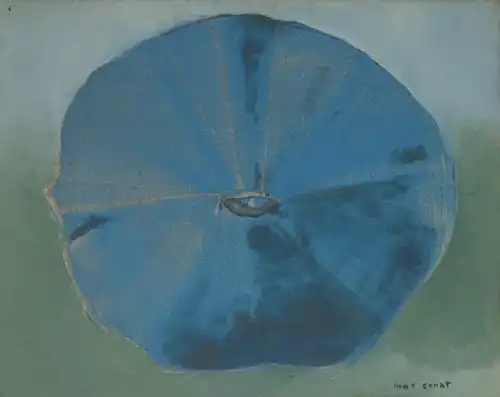
Le Coquelicot de minuit
€107,100

Le masque
€88,900

Mer jaune soleil bleu
£121,250
